Reviews





You get a straight answer on cost up front, with every line explained and nothing hidden.
Our crews are certified, insured and equipped for hardwood floor water damage. They find the hidden moisture and dry it properly.
The sooner drying starts, the less there is to repair. Our phones are answered around the clock, with same-day visits when available.
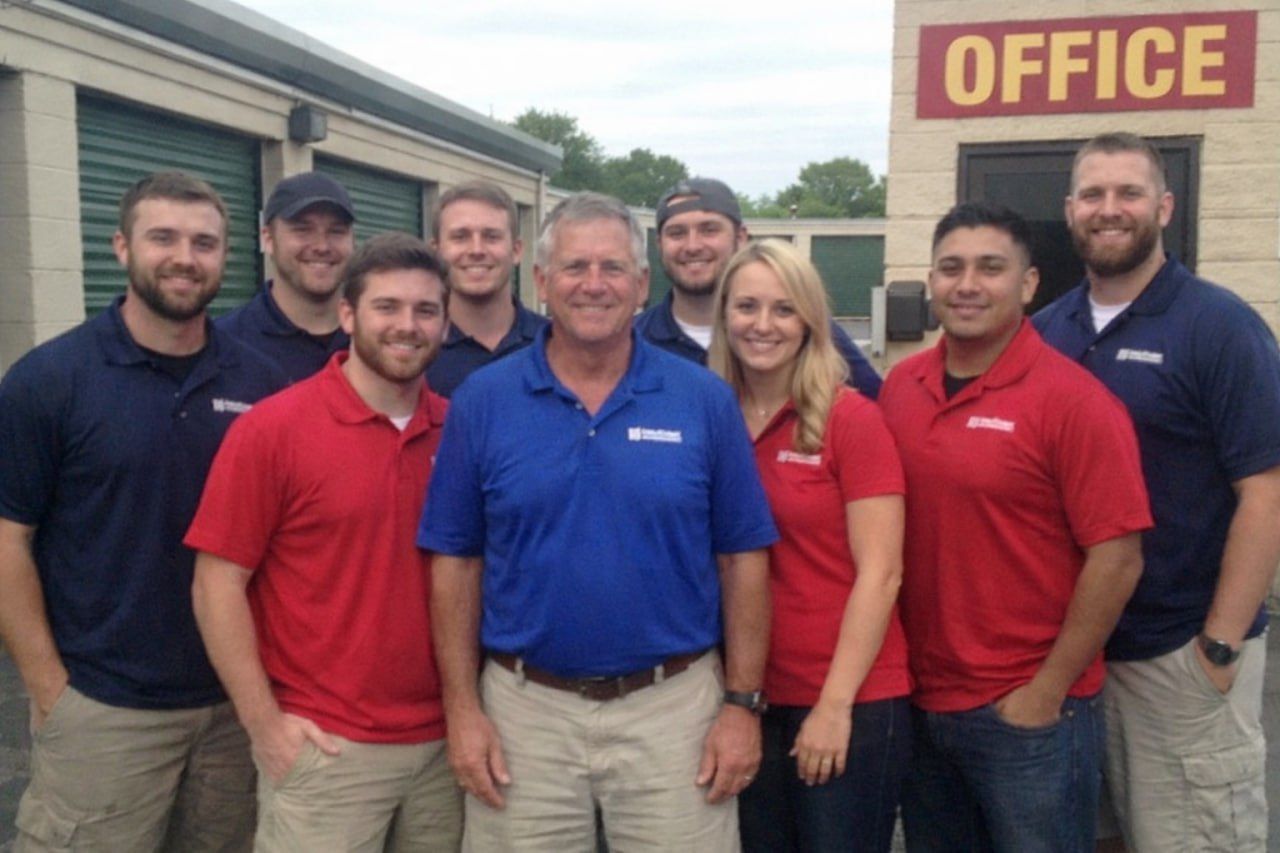
When you call about hardwood floor water damage, you reach a restoration team that works in Arden-Arcade every day. We tell you what it will take, give you a clear quote and get a crew moving.
It does not take long for water to change a wood floor. As the wood absorbs water along its edges and bottom face, it expands, crowds the neighboring boards and cups, leaving the center lower than the sides. Cupping alone is no reason to give up on the floor. When drying starts within the first few days, solid hardwood frequently lies flat again. Success depends on a slow, even drying rate that draws water from the flooring and from the subfloor beneath it.
Drying mats are how our team handles wet wood floors. The mats are sealed to the surface and connected to a vacuum unit that draws moisture up through the boards and seams, while dehumidifiers keep the room air dry. Expect it to run a week or more, which is longer than drywall or carpet needs. No sanding should happen before the wood has dried completely. Sand a cupped floor too soon and it will crown later.
Moisture beneath flooring does not stay put. It can reach under cabinets, wall plates and into neighboring rooms, or drip through to the ceiling of the level beneath.
No air moves and no light reaches the gap between the hardwood and the subfloor. Growth there is invisible from above and shows up first as a musty smell.
Lingering moisture rusts the fasteners, which then hold the boards less firmly. The rust also bleeds into the wood as dark stains that sanding may not remove.
Heavy airflow or heat dries the face of a board well ahead of its core. Lasting gaps and split or cracked boards are the usual outcome.
Our team meters the wet boards, the subfloor under them and a dry area of floor to compare against. That tells us how deep the water went and whether saving the floor is realistic.
Rugs and furnishings come off the affected boards while pooled water is vacuumed up at once. The faster water stops feeding the seams, the less the boards swell.
Floor mats are taped down and connected to a vacuum system that pulls moisture up through the boards. The room is managed with dehumidifiers so drying stays even and the boards do not crack.
Every day or two we take new readings, continuing until the subfloor and boards match the dry reference spots. At that point you hear from us if it needs nothing, some replacement boards, or a refinish.
Water slips through the seams and spreads between the boards and subfloor. The surface may wipe dry while the underside stays soaked.
Swelling sets in and board edges lift. You might notice haze in the topcoat. Mold can begin on the subfloor and the unfinished underside of the wood.
Pressure grows through the whole floor as the wood expands. With fasteners losing their hold and boards compressing at the edges, some areas can lift away from the subfloor.
Buckling, black staining and mold under the boards become likely. Drying is usually no longer enough, and the bulk of the wet flooring has to be replaced.
It depends on the material, how long it stayed wet and how clean the water was. We test before we decide, and we tell you why.
Ask a Tech: (575) 204-1352| Material | Can usually be saved when | Has to be replaced when |
|---|---|---|
| Engineered hardwood | A short spill on top that left the plank edges unswollen | Planks that are delaminating, swollen or wet underneath |
| Solid hardwood | Cupped boards still fastened down, when drying starts within days | Sewage exposure of any kind, or wood that is split, black or buckled |
| Paper or felt underlayment | Underlayment beneath boards that are being saved and read dry | Underlayment exposed when boards come up, or with mold on it |
| Baseboards and shoe molding | Real wood pieces with no swelling or splitting | MDF baseboard or quarter round that swelled at the bottom |
| Floor finish | Light clouding that clears or buffs out once dry | Finish that peels or is stained, requiring sanding and new coats |
Have a different question? Call us and we will answer it over the phone.
Call (575) 204-1352Don't wait for small problems to become expensive emergencies. Call Arden-Arcade Restoration for fast, reliable service.
Call (575) 204-1352 Now